
Turn potential into performance
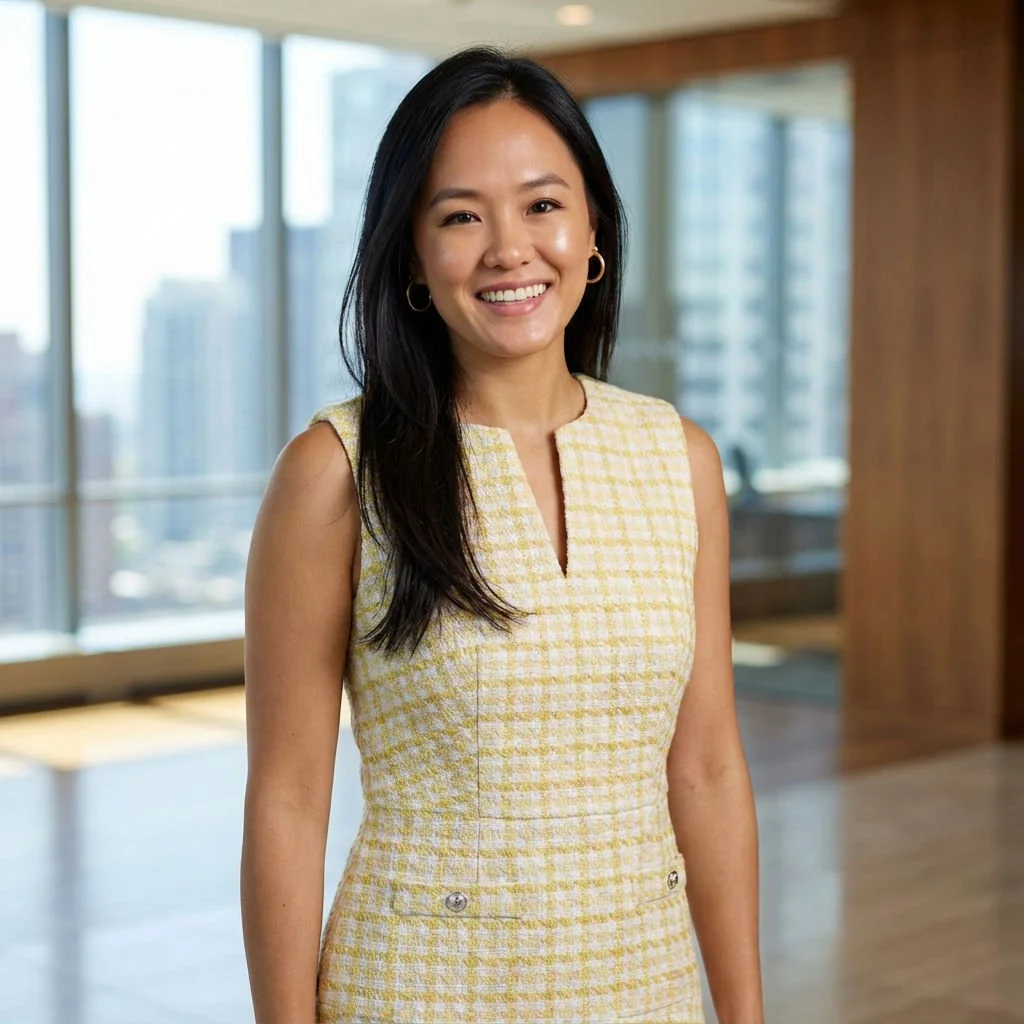
I work at the intersection of human behavior, business, and the systems that help people and organizations perform at their best.
Grounded in neuroscience.
Tested inside real organizations.

Dropbox
·
Instacart
·
Emory Neuroscience
·
Duke MBA
·
Business
·
Dropbox · Instacart · Emory Neuroscience · Duke MBA · Business ·
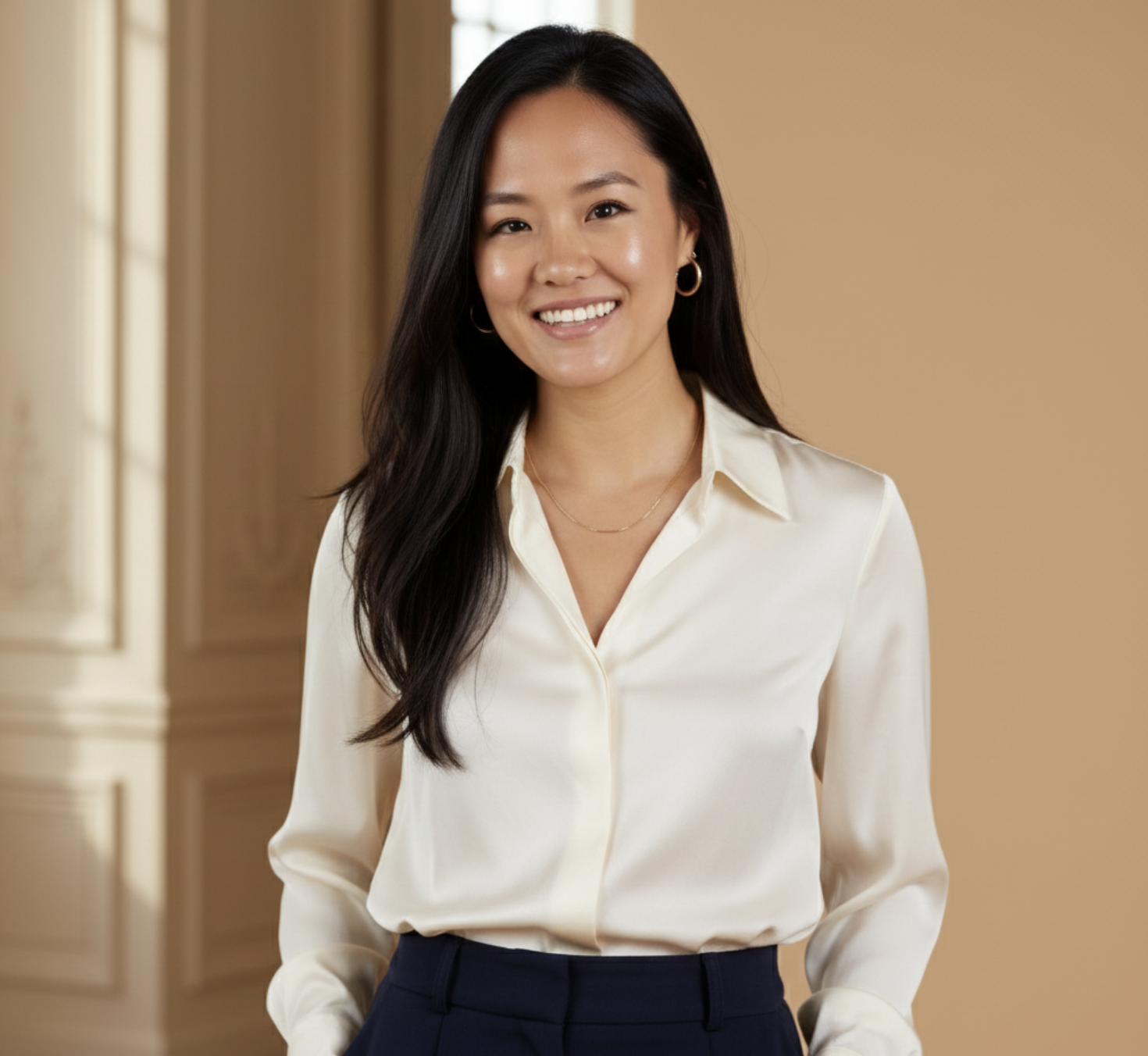
A scientist's curiosity.
An operator's discipline.
I'm an operator, strategist, advisor, and speaker who has spent the past 14 years at the intersection of neuroscience, organizational design, people strategy, and human performance.
My life and career have been shaped by one question:
What makes humans, human?
I bring a scientist's curiosity, an operator's discipline, and a creator's instinct to the way I think about people, organizations, and the future of work.
I've learned that performance rarely comes down to a lack of ambition or ability.
More often, it's about the systems around us.
How we focus.
How we make decisions.
How we communicate.
How we respond when circumstances change.
How we turn individual capability into collective performance.
Those questions continue to shape the work I do and the ideas I explore.
What shaped my perspective
I studied neuroscience because I wanted to understand how people think, learn, and change.
Then, after a traumatic brain injury at 18, those questions became personal. I spent years rebuilding my own mindset, habits, and behavior, and learning firsthand just how adaptable the brain can be.
That experience fundamentally changed the way I think about human potential.
I went on to build and operate inside complex organizations, working across strategy, operations, organizational design, people strategy, and transformation.
Along the way, I helped build and scale teams of 160+ people, designed the operational backbone behind growing organizations, built people and workforce analytics, navigated periods of rapid growth and organizational change, and helped teams turn ambiguity into systems that actually worked.
Different environments. Same underlying question:
What allows people and organizations to perform at their best?
What sets the best leaders apart was never the tools.
Technology changes.The fundamentals of human performance don't disappear with it.
Great leadership is built through thinking, judgment, experience, trust, and the ability to adapt when the answer isn't obvious.
Technology can amplify those capabilities. It doesn't replace them.
As AI becomes more capable, I believe the distinctly human parts of how we work become more—not less—important.
The ability to exercise judgment.
Create meaning.
Earn trust.
Navigate ambiguity.
Hold conviction.
Imagine what doesn't exist yet.
Our humanity is our
competitive advantage.
My career has taken me across neuroscience, technology, media, strategy, operations, organizational design, and entrepreneurship.
Today, that experience shows up in a few different ways.
My work
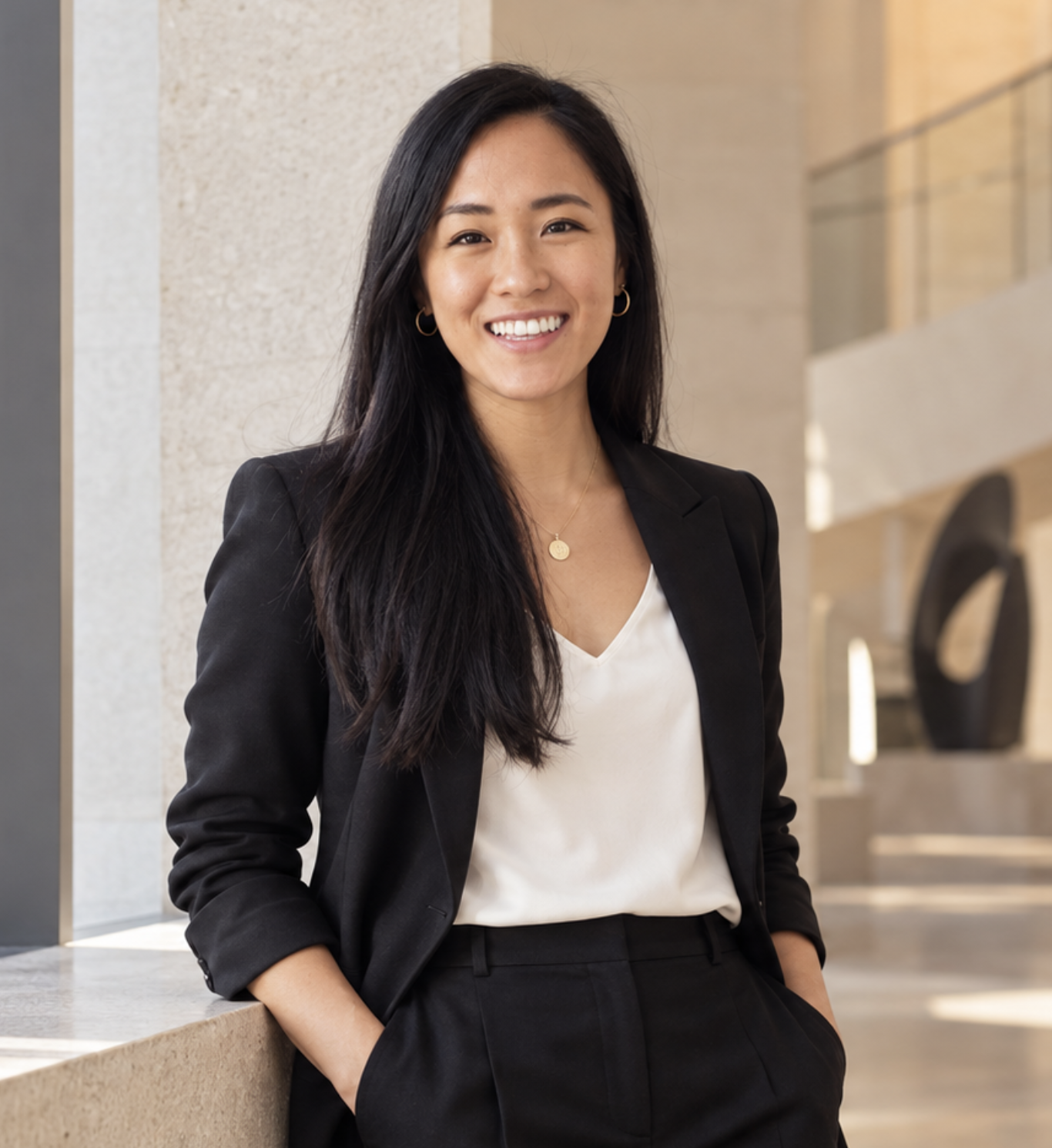
Operator
I build the systems behind organizations.
My work spans strategy and operations, organizational design, transformation, workforce planning, analytics, and the connective tissue that helps teams execute.
I’m most energized by complex, ambiguous problems where the answer isn't obvious yet—and where better systems can unlock better outcomes.
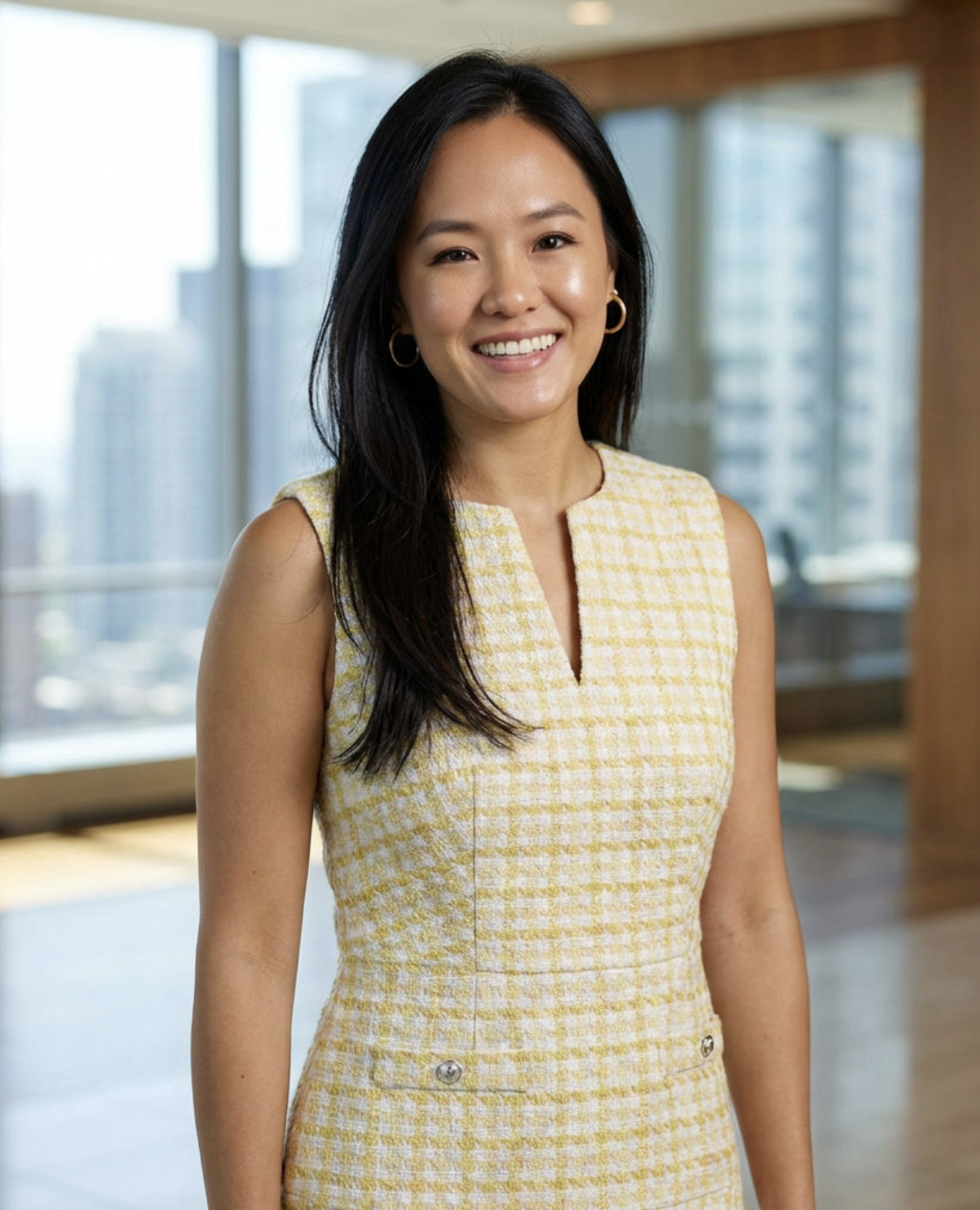
Advisor
I selectively work with founders and leaders navigating growth, organizational complexity, and change.
I bring an operator's perspective to questions around strategy, organizational design, leadership, and the systems that help people do their best work.

Speaker
I speak about the intersection of human performance, leadership, neuroscience, and the future of work.
My talks explore what becomes more valuable as technology becomes more capable—and how leaders can build the distinctly human capabilities that technology can't replace.
What I'm exploring:
How do we build better humans, leaders, and organizations in a world increasingly shaped by intelligent machines?
That's the thread connecting much of what I'm thinking about today.
I write about neuroscience, decision-making, leadership, human performance, organizational systems, creativity, technology, and the messy process of learning and adapting along the way.
Some pieces are research-driven.
Some come from operating experience.
Some are simply questions I haven't stopped thinking about yet.
The goal isn't to have all the answers.
It's to keep asking better questions.
A few of my principles:
Protect the signal.
Attention is finite. What we choose to give it to shapes everything downstream.
Build systems, not heroics.
The strongest organizations don't depend on extraordinary effort forever. They make good performance repeatable.
Stay curious.
Certainty feels good. Curiosity keeps us learning.
Adapt without losing yourself.
The ability to change your mind is a strength. Knowing what shouldn't change matters just as much.
Lead like a human.
Trust, empathy, judgment, courage, and imagination aren't soft skills. They're how people move through uncertainty together.
There is always more potential than we can see.
In people.
In organizations.
An often, in ourselves.
My work has taken different forms over the years, but the underlying motivation has stayed remarkably consistent:
Understand what makes people capable of more and build the conditions that allow that potential to emerge.
Whether you're building a company, assembling a team, organizing an event, exploring an idea, or simply want to connect, I'd love to hear from you.